Managing overdue payments doesn’t have to be a chaotic, stressful burden. With the right debt collection CRM software, agencies and businesses can transform their recovery processes into streamlined, compliant, and highly effective operations. Discover the top tools shaping the industry in 2024.
What Is Debt Collection CRM Software?

Debt collection CRM software is a specialized platform designed to help collection agencies, financial institutions, and businesses manage, track, and recover outstanding debts efficiently. Unlike generic customer relationship management (CRM) systems, this software integrates tools tailored specifically for the debt recovery lifecycle—from initial contact to settlement or legal action.
Core Definition and Purpose
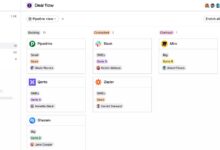
At its heart, debt collection CRM software centralizes debtor information, communication logs, payment histories, and compliance records. It enables teams to prioritize accounts, automate outreach, and maintain detailed audit trails. The primary goal is to increase recovery rates while minimizing operational costs and regulatory risks.
- Tracks debtor interactions across calls, emails, and SMS
- Automates workflows like dunning notices and follow-ups
- Ensures compliance with regulations such as FDCPA and GDPR
According to the Consumer Financial Protection Bureau (CFPB), proper documentation and communication tracking are essential for lawful debt collection—something these platforms facilitate seamlessly.
How It Differs from General CRM Systems
While traditional CRM tools like Salesforce or HubSpot focus on sales and customer retention, debt collection CRM software is built for delinquency management. Key differentiators include:
- Regulatory compliance modules: Built-in safeguards to prevent violations of FDCPA, TCPA, or state-specific laws.
- Payment promise tracking: Ability to log and monitor debtor commitments with automated reminders.
- Dispute and hardship management: Features to handle debtor claims, negotiate settlements, and adjust payment plans.
“A specialized CRM isn’t just a nice-to-have—it’s a necessity in today’s regulated and data-driven collection environment.” — Industry Analyst, DebtCollectionToday
Top 7 Debt Collection CRM Software Solutions in 2024
The market for debt collection CRM software has exploded with innovation. From cloud-based platforms to AI-powered automation, here are the seven most powerful tools dominating the space this year.
1. DebitGuru
DebitGuru stands out for its intuitive interface and robust automation features. Designed for mid-sized collection agencies, it offers omnichannel communication, real-time reporting, and seamless integration with payment gateways.
- AI-driven dialer prioritizes high-value accounts
- Customizable workflows for different debt types
- Compliance dashboard with audit-ready logs
Learn more at DebitGuru’s official site.
2. CollectPro
CollectPro is a favorite among enterprise-level agencies due to its scalability and advanced analytics. It supports multi-language communication and integrates with major ERP systems like SAP and Oracle.
- Machine learning models predict recovery likelihood
- Role-based access control for security
- Mobile app for field agents
Its compliance engine automatically flags potential FDCPA violations before communication is sent.
3. ARK Collection Software
ARK offers a hybrid model—suitable for both internal collections departments and third-party agencies. Its strength lies in customizable scoring models and dispute resolution workflows.
- Dynamic debtor scoring based on behavior
- Integrated e-signature for settlement agreements
- Real-time KPI dashboards
Explore ARK’s capabilities at arksoftware.com.
Key Features to Look for in Debt Collection CRM Software
Not all platforms are created equal. To maximize ROI and compliance, focus on these essential features when evaluating debt collection CRM software.
Automated Communication Tools
Effective communication is the backbone of successful collections. The best debt collection CRM software includes automated dialers, email templates, SMS campaigns, and even chatbot integrations.
- Power dialers reduce idle time between calls
- Personalized messaging increases response rates
- Scheduled outreach respects debtor time zones and preferences
A study by NACHA found that automated, multi-channel communication improves recovery rates by up to 35%.
Compliance Management
Regulatory violations can lead to hefty fines and reputational damage. Top-tier debt collection CRM software includes built-in compliance checks, consent tracking, and dispute handling protocols.
- Automatic suppression of revoked consent contacts
- Call recording and archiving for audit trails
- Real-time alerts for prohibited language or timing
“One compliance slip can cost more than a year’s profits. Automation is your first line of defense.” — Legal Advisor, Financial Compliance Group
Reporting and Analytics
Data-driven decisions are critical. Look for platforms that offer customizable reports on recovery rates, agent performance, and portfolio aging.
- Visual dashboards for executive summaries
- Exportable data for external audits
- Predictive analytics for portfolio forecasting
Advanced systems use AI to identify trends, such as which communication channels yield the highest settlement rates.
Benefits of Using Debt Collection CRM Software
Implementing the right debt collection CRM software isn’t just about technology—it’s about transformation. Here’s how it elevates your operations.
Increased Recovery Rates
By prioritizing high-potential accounts and automating follow-ups, agencies see measurable improvements in cash flow. Automation ensures no account falls through the cracks.
- Smart routing directs accounts to the most effective collectors
- Payment promise tracking reduces broken commitments
- Settlement calculators speed up negotiations
A 2023 report by IBISWorld showed that agencies using CRM software recovered 22% more debt on average than those relying on spreadsheets.
Improved Regulatory Compliance
With increasing scrutiny from regulators, compliance is non-negotiable. Debt collection CRM software embeds legal requirements into daily workflows.
- Automatic opt-out management for TCPA compliance
- Time-zone-based calling restrictions
- Documented consent for all communication methods
This reduces legal risk and enhances trust with both clients and debtors.
Enhanced Agent Productivity
Agents spend less time on manual data entry and more time on actual collections. Automation handles repetitive tasks, while AI assists in strategy.
- Auto-populated call scripts based on debtor history
- One-click logging of promises and disputes
- Integrated payment processing for instant settlements
Teams report up to 40% higher efficiency after CRM implementation.
How to Choose the Right Debt Collection CRM Software
Selecting the best platform requires careful evaluation. Follow this step-by-step guide to make an informed decision.
Assess Your Business Needs
Start by defining your goals. Are you a small agency handling medical debt? Or a large firm managing credit card portfolios? Your use case dictates the required features.
- Volume of accounts: High-volume needs automation
- Type of debt: Consumer vs. commercial may require different workflows
- Geographic scope: International operations need multi-language and multi-currency support
Don’t overbuy—choose a solution that scales with your growth.
Evaluate Integration Capabilities
The software should work with your existing tools—accounting systems, payment processors, and telephony providers.
- API access for custom integrations
- Pre-built connectors for platforms like QuickBooks or Stripe
- Cloud-based architecture for remote access
For example, Zapier can bridge gaps between non-native apps, but native integrations are more reliable.
Check Vendor Reputation and Support
A powerful platform is only as good as its support. Look for vendors with 24/7 customer service, training resources, and a proven track record.
- Read third-party reviews on G2 or Capterra
- Request client references
- Test the onboarding process during trials
Poor support can derail implementation and hurt ROI.
Implementation Best Practices for Debt Collection CRM Software
Rolling out new software isn’t just a technical task—it’s a change management challenge. Follow these best practices for a smooth transition.
Plan a Phased Rollout
Avoid overwhelming your team. Start with a pilot group—perhaps one department or a subset of accounts.
- Test core workflows before full deployment
- Gather feedback and adjust configurations
- Scale gradually to minimize disruption
This approach reduces errors and builds user confidence.
Train Your Team Thoroughly
Even the best debt collection CRM software fails without proper training. Invest in onboarding programs that cover both technical skills and strategic use.
- Role-specific training: collectors vs. supervisors
- Ongoing webinars and knowledge bases
- Simulated scenarios for practice
Well-trained teams are 3x more likely to adopt the system fully.
Migrate Data Securely
Data migration is critical. Ensure debtor information is transferred accurately and securely, with encryption and access controls.
- Backup all legacy data before migration
- Validate data integrity post-transfer
- Comply with data protection laws like GDPR or CCPA
“Data is the lifeblood of collections. A single breach can destroy trust and trigger legal action.” — Cybersecurity Expert, InfoSec Today
Future Trends in Debt Collection CRM Software
The industry is evolving rapidly. Stay ahead by understanding the emerging trends shaping the future of debt collection CRM software.
AI and Predictive Analytics
Artificial intelligence is no longer futuristic—it’s foundational. Modern platforms use AI to predict debtor behavior, optimize contact timing, and suggest settlement offers.
- Behavioral scoring models improve targeting
- NLP (Natural Language Processing) analyzes call transcripts for insights
- Chatbots handle initial inquiries and payment setup
According to Gartner, by 2025, 60% of collection interactions will be AI-assisted.
Blockchain for Transparency
Blockchain technology is being explored for immutable audit trails and smart contracts in debt settlement.
- Secure, tamper-proof records of all communications
- Automated execution of payment agreements
- Enhanced trust with regulators and debtors
While still in early stages, pilot programs show promise for high-value or cross-border debts.
Mobile-First and Remote Access
With remote work here to stay, mobile accessibility is crucial. Leading debt collection CRM software now offers full-featured mobile apps.
- Field agents can update accounts in real time
- Managers approve settlements on the go
- Secure login with biometric authentication
This flexibility improves responsiveness and team morale.
Common Challenges and How to Overcome Them
Even with the best tools, challenges arise. Here’s how to tackle the most common issues with debt collection CRM software.
User Resistance to Change
Employees may resist new systems out of fear or habit. Address this with clear communication and involvement.
- Involve team leads in the selection process
- Highlight personal benefits like reduced workload
- Recognize early adopters
Change management is as important as the software itself.
Data Silos and Integration Gaps
If your CRM doesn’t talk to your payment processor or phone system, efficiency drops. Prioritize integration from day one.
- Use middleware like MuleSoft or Zapier if native APIs are lacking
- Standardize data formats across platforms
- Assign an integration champion on your team
Seamless data flow is the key to automation success.
Over-Reliance on Automation
While automation boosts efficiency, it can’t replace human judgment. Balance is essential.
- Set rules for when human intervention is required
- Monitor automated messages for tone and compliance
- Use AI as an assistant, not a replacement
“The best results come when technology empowers people, not replaces them.” — Collection Team Leader, National Credit Agency
What is debt collection CRM software?
Debt collection CRM software is a specialized platform that helps businesses and agencies manage overdue accounts by automating communication, tracking interactions, ensuring compliance, and improving recovery rates through data-driven workflows.
How does debt collection CRM software improve compliance?
It embeds regulatory rules (like FDCPA and TCPA) into workflows, automatically logs all communications, restricts calling times, manages consent, and flags potential violations before they occur.
Can small collection agencies benefit from this software?
Absolutely. Many platforms offer scalable pricing and simplified interfaces tailored for small teams, helping them compete with larger firms through automation and better organization.
Is cloud-based debt collection CRM software secure?
Yes, reputable providers use encryption, multi-factor authentication, and regular security audits. Look for SOC 2 or ISO 27001 certifications to ensure data protection.
What’s the average cost of debt collection CRM software?
Prices vary widely—from $50/user/month for basic plans to $200+/user/month for enterprise solutions. Many vendors offer custom quotes based on volume and features.
Debt collection CRM software is no longer a luxury—it’s a strategic necessity. From boosting recovery rates to ensuring ironclad compliance, the right platform can transform your operations. Whether you’re a small agency or a large institution, investing in a powerful, scalable solution pays dividends in efficiency, accuracy, and peace of mind. As AI, mobile access, and blockchain continue to evolve, staying ahead of the curve means embracing innovation today.
Further Reading:
